Preventive Migraine Treatments for Kids and Teens: What Families Should Know
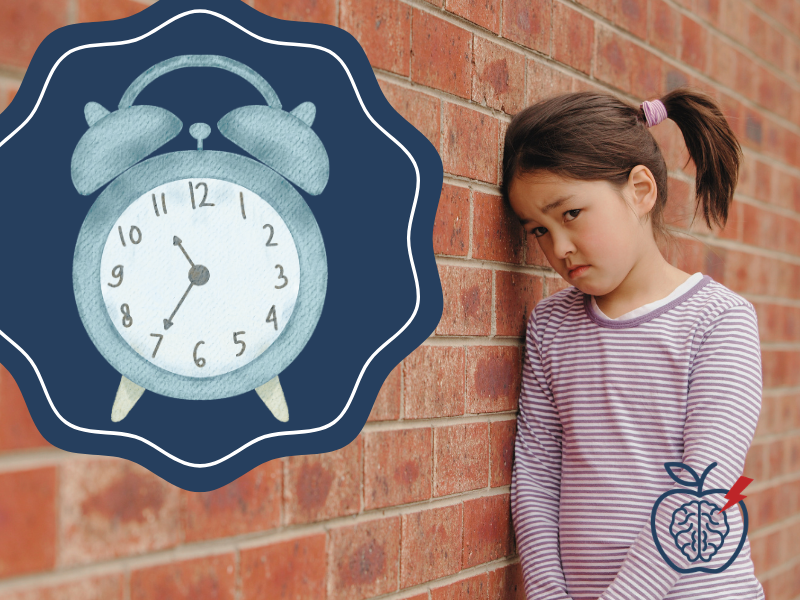
Migraine attacks can affect so much more than just a child’s head pain. For many kids and teens, migraine can interfere with school, sleep, friendships, sports, mental health, and everyday life.
When migraine attacks start happening more often, lasting longer, or making it difficult for a student to fully participate in daily activities, families may begin hearing about something called preventive treatment.
Preventive migraine treatment is designed to help reduce how often migraine attacks happen and how severe they become. For many families, it becomes an important part of a larger migraine management plan that may also include lifestyle changes, stress management, school support, and acute treatment options.
What Is Preventive Migraine Treatment?
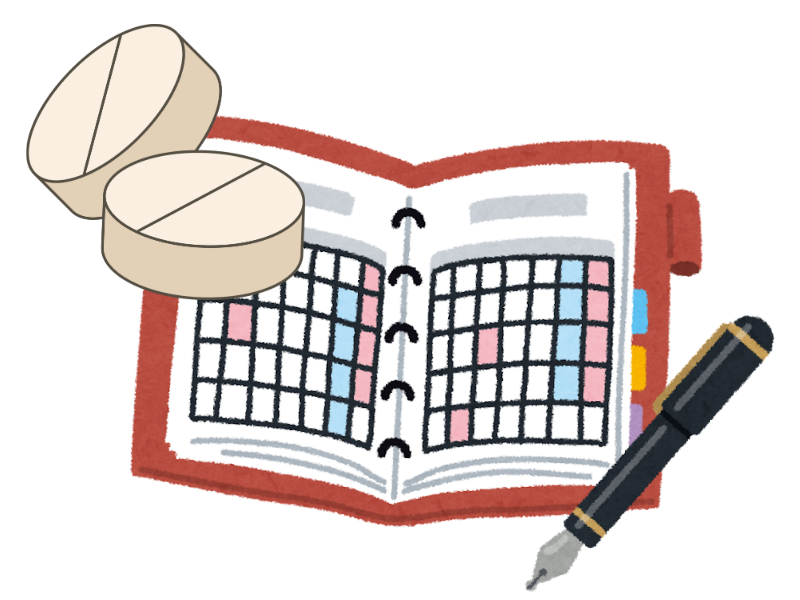
Unlike acute migraine medications, which are taken during a migraine attack, preventive treatments are taken on a regular schedule to help calm the nervous system over time.
The goal is not necessarily to “cure” migraine. Instead, preventive treatment aims to:
Reduce the number of migraine attacks
Decrease the severity of attacks
Improve quality of life
Help students miss fewer school days and activities
Reduce anxiety around when the next migraine attack might happen
For some students, preventive treatment can also help acute medications work more effectively when a migraine attack does occur.
When Should Families Consider Preventive Treatment?
Every child’s migraine experience is different, but you may want to think about preventive treatment if migraine attacks are:
Happening four or more times a month
Lasting a long time
Affecting school attendance
Interfering with sleep
Causing students to stop participating in activities they enjoy
Leading to frequent use of acute medications
Sometimes the decision is not just about the number of migraine attacks. It is also about how much migraine is affecting a child’s overall well-being.
A student who is constantly worried about having a migraine attack at school may need support even if attacks are not happening every single week.
Download our Parent Starter Kit
Why Do So Many Migraine Medications Sound Like They Were Made for Something Else?
This can feel confusing for families at first.
Many preventive migraine medications were originally developed for other conditions like depression, epilepsy, allergies, or blood pressure management. Over time, researchers and healthcare providers discovered that these medications can also help calm the brain and nervous system changes involved in migraine.
This is actually very common in medicine.
Migraine is a complex neurological disease that involves many systems in the body, including pain pathways, sleep regulation, stress response, inflammation, and nerve signaling. Because of that, medications that affect those systems may sometimes help reduce migraine attacks.
Common Prescription Preventive Medications for Pediatric Migraine
The right treatment plan depends on the student’s age, symptoms, health history, and how migraine is affecting daily life.
Cyproheptadine
For younger children, healthcare providers sometimes use cyproheptadine, an antihistamine that can affect certain brain signals involved in migraine.
This medication may be used more commonly in younger pediatric patients and is often the first treatment started.
Amitriptyline
Amitriptyline is one medication sometimes used for migraine prevention in kids and teens.
It affects certain brain chemicals involved in pain and sleep regulation. Because sleep and migraine are so closely connected, this medication may help support both.
Healthcare providers often use much lower doses for migraine prevention than they would for depression treatment.
Beta Blockers
Beta blockers were originally designed to help manage heart and blood pressure conditions.
For migraine, they may help calm the body’s stress response and reduce the nervous system overactivation that can contribute to migraine attacks.
Examples may include medications like propranolol.
Anti-Seizure Medications
Some anti-seizure medications can also help prevent migraine attacks by calming overactive nerve signaling in the brain.
Migraine involves changes in how brain cells communicate and fire signals, so medications that help stabilize those signals may reduce attack frequency for some patients.
Examples may include:
Topiramate
Valproate
Families are sometimes nervous when they hear the term “anti-seizure medication,” but it is important to remember that medications can have many different uses beyond the condition they were originally created to treat.
Neuromodulation Devices
Link to Noninvasive Treatments for Children and Adolescents Blog
GammaCore
The gammaCore non-invasive vagus nerve stimulator (nVNS) activates the vagus nerve with gentle electrical stimulation through the skin to prevent and relieve headache pain without pills, injections, or drug-like side effects.
gammaCore is FDA-approved for the acute and preventive treatment of migraine in users ages 12 and up.
Nerivio
The Nerivio REN wearable is a remote electrical neuromodulation device that is the only non-drug, FDA-cleared treatment for migraine patients as young as 8, allowing for early intervention with no systemic side effects.
Nerivio is FDA-approved for the acute and preventive treatment of migraine in users ages 8 and above.
SAVI Dual sTMS Therapy
sTMS is a patented dual migraine therapy that directly targets and signals the brain to quiet the hyperactive nerves thought to be the source of migraine.
sTMS is approved for the acute and preventive treatment of migraine in users ages 12 and up.
Newer Migraine Treatments: What Is CGRP?
In recent years, researchers have developed newer treatments specifically designed for migraine.
One major breakthrough involves medications called CGRP blockers.
CGRP stands for calcitonin gene-related peptide, which is a protein involved in migraine attacks. During a migraine attack, CGRP levels can increase and contribute to pain signaling and inflammation in the nervous system.
These medications work by helping block that process and “turn down” migraine activity.
As of May 2026, fremanezumab (Ajovy) is approved for preventive treatment of episodic migraine in youth ages 6 to 17.
Because migraine research is evolving quickly, new treatment options will likely continue to become available.
Preventive Treatment Is Not Just About Medication
Medication is only one piece of migraine management for many kids and teens.
Preventive care may also include:
Consistent sleep routines
Hydration
Regular meals
Stress management
Movement and gentle exercise
Relaxation training
Mindfulness practices
Cognitive behavioral therapy (CBT)
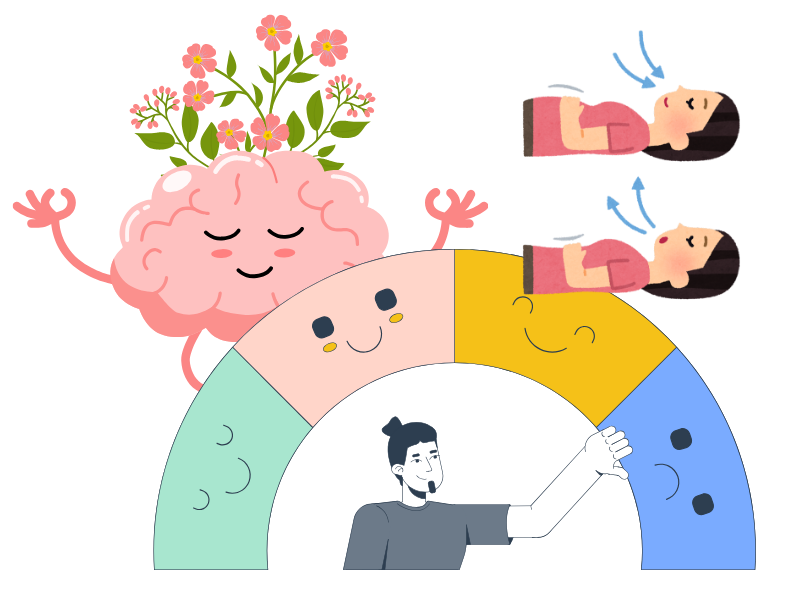
Migraine is deeply connected to the nervous system, and many students benefit from learning tools that help regulate stress, anxiety, pain response, and overwhelm.
CBT, for example, does not mean migraine is “all in their head.” Instead, it helps students better understand how thoughts, stress, emotions, pain, and the nervous system all interact.
For many families, combining medication with lifestyle tools creates a stronger long-term management plan.
What Families Should Expect When Starting Preventive Treatment
One of the hardest parts of preventive migraine treatment is that it often takes time.
Unlike acute medications that work during an attack, preventive medications may take several weeks to show noticeable improvement.
Finding the right fit can also involve some trial and error. What works well for one child may not work for another.
Healthcare providers may adjust:
Dosage
Timing
Medication type
Combination approaches
Keeping a migraine journal or symptom tracker can sometimes help families notice patterns and track whether treatment is helping over time.
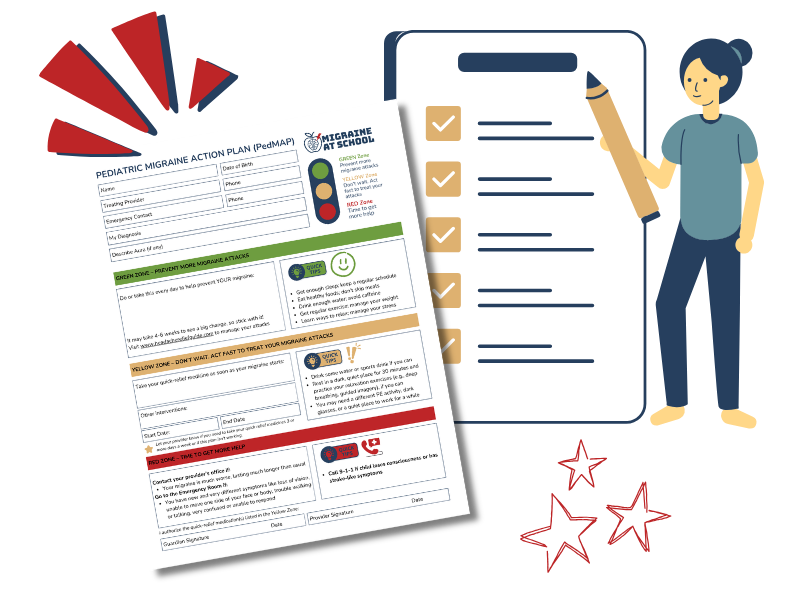
Download Pediatric Migraine Action Plan
Questions Families Can Ask Their Healthcare Provider
If your child is starting preventive treatment, it can help to ask questions like:
What are the possible benefits and side effects?
How long does this medication usually take to work?
What should we track at home?
Are there lifestyle strategies we should combine with treatment?
How could this affect school, sleep, or sports?
What should we do if this treatment does not help?
Remember that migraine treatment is evolving quickly, and ongoing conversations with your healthcare provider are important.
Helping Kids Get More Days Feeling Like Themselves
At the heart of preventive migraine treatment is something simple: helping kids and teens spend more time participating in life.
More time in school.More time with friends.More confidence.More energy.More moments where migraine is not controlling every decision.
For many families, preventive treatment is an important step toward helping students feel supported, understood, and better able to engage in the things they enjoy.
Disclaimer:This blog is for educational purposes only and is not medical advice. Always talk with your healthcare provider about the treatment plan that is right for you or your child. Migraine treatment is a rapidly evolving field, and new research and treatment options continue to emerge over time.