This content has been reviewed for accuracy by our medical advisor. It is for educational purposes only and is not medical advice. Always talk with your healthcare provider about the treatment plan that is right for your child.
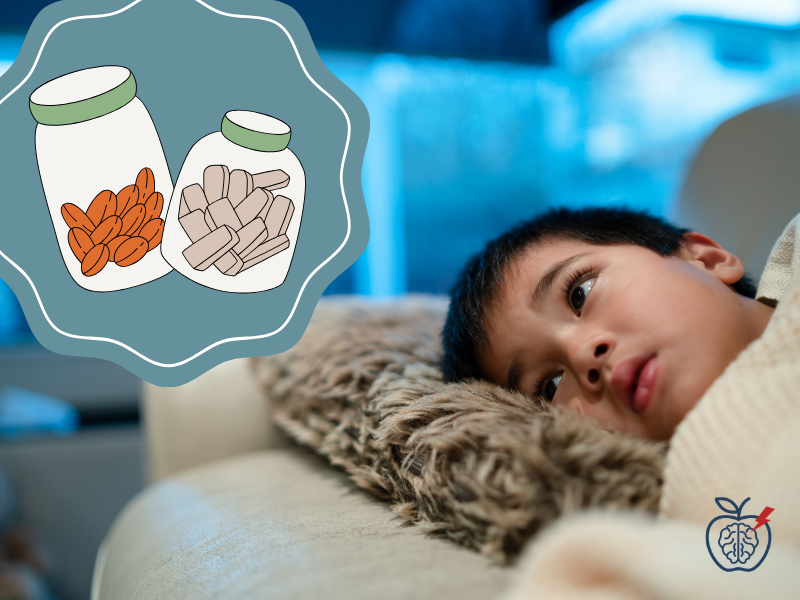
If your child lives with migraine, you already know this. When a migraine attack hits, everything else stops. School, activities, even simple things like light or noise, can suddenly feel like too much.
That’s where acute migraine treatment comes in.
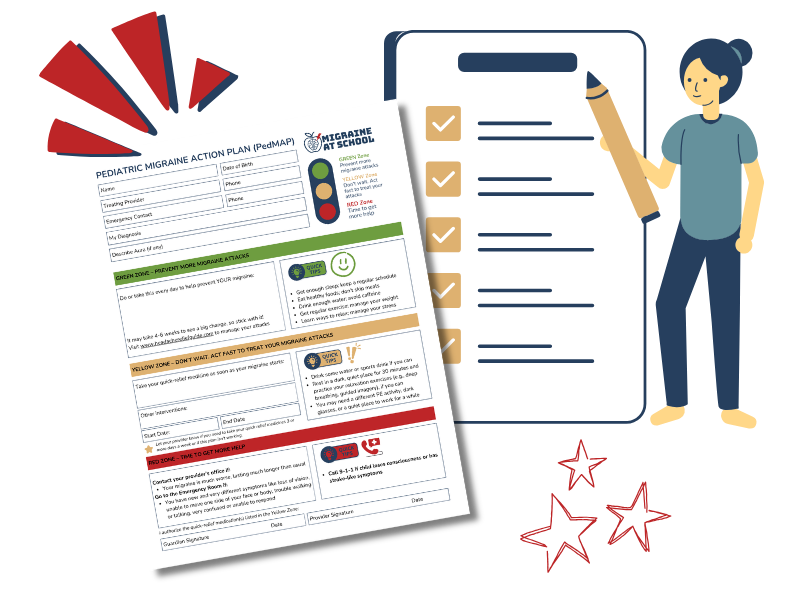
This post will walk you through what that means, what options exist, and how to think about acute migraine medication for migraine in kids in a way that feels manageable, not overwhelming. How to add this to your Pediatric Migraine Action Plan.
First, What Does “Acute” Mean?
When we talk about acute migraine treatment, we’re talking about what you do in the moment.
Not prevention.
Not long-term plans.
This is about:
Stopping a migraine attack once it starts
Reducing pain and symptoms
Helping your child get back to feeling like themselves
For families navigating pediatric migraine, this is often the first place to start.
A Quick (But Important) Note
Before we get into specific medications:
Migraine treatment is not one-size-fits-all. And it is changing quickly.
New options are coming out all the time, especially in pediatric migrainetreatment, so it is always worth checking in with your child’s healthcare provider to see what is current and appropriate for their age and symptoms.
Types of Acute Migraine Medication
There are a few categories of acute migraine medications your provider might discuss.
Let’s break them down in a way that actually makes sense.
1. Over-the-Counter Options
These are usually the first steps for treating migraine in kids.
Think:
Ibuprofen (like Advil or Motrin)
Acetaminophen (like Tylenol)
Naproxen (like Aleve)

These can work really well, especially when taken early in a migraine attack.
Timing matters here. The sooner your child takes medication after symptoms begin, the better the chance it has to work.
Even though these medicines are common, it’s still important to talk with your healthcare provider about when and how often to use them, since taking them too frequently can sometimes lead to more attacks. These can be referred to as “rebound attacks” when over-the-counter medications are overused. Again, always work out a treatment plan with your healthcare provider.
2. Triptans (Migraine Specific Medications)
If over-the-counter options are not enough, your provider may suggest a triptan.
These are medications designed specifically for migraine. They work by targeting pathways in the brain involved in migraine attacks.
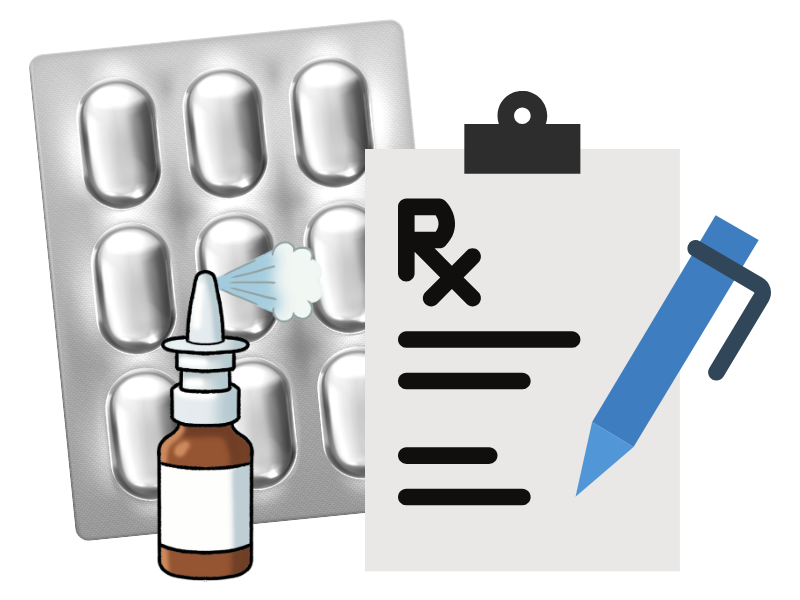
Some triptans are approved for pediatric migraine treatment, depending on age.
They can come in different forms. Tablet, dissolving tablets and nasal sprays. Listed here are specific names and age restrictions as of the publishing of this blog.
Rizatriptan (Maxalt): Ages 6–17 years old
Almotriptan (Axert): Ages 12+
Zolmitriptan (Zomig) Nasal Spray: Ages 12+
Sumatriptan/Naproxen (Treximet): Ages 12+
Sumatriptan Nasal Spray: Ages 12+
This matters because during a migraine, swallowing a pill is not always easy.
3. Anti-Nausea Medications
Migraine is not just head pain. For many kids, nausea and even vomiting are a big part of the experience. In those cases, providers may add anti-nausea medication to your child’s plan.
These medications help calm the stomach and can make a big difference during a migraine attack, especially if your child feels too sick to eat, drink, or keep other medication down.
Some commonly used options include:
Ondansetron (often called Zofran)
Promethazine (Phenergan)
Metoclopramide (Reglan)
These can come in different forms, which is helpful during a migraine attack:
Dissolving tablets that melt in the mouth
Regular tablets
Liquid
In some cases, suppositories
If nausea is a regular part of your child’s migraine, it is completely appropriate to ask your provider:
Should we have an anti-nausea medication as part of their acute migraine treatment plan?
What option works best if my child cannot keep medication down?
When should we give it during an attack?
Having this in place ahead of time can help you act quickly and keep a migraine from escalating.
4. Combination Approaches
Sometimes it is not just one thing. It is a plan.
Your child’s provider may recommend combining:
A pain reliever
A triptan
An anti-nausea medication
This layered approach can be especially helpful for more intense migraine attacks. You may want to ask if this multi-tool plan makes the most sense for your child.
Beyond Medication: What Helps in the Moment
Medication is important, but it is not the whole picture.
Simple tools can make a big difference during a migraine attack:
A dark, quiet room
Cold packs on the head or neck
Hydration
Rest or sleep
These small adjustments can support whatever acute migraine treatment your child is using.
Don’t Forget About Migraine Triggers
While this post is focused on acute migraine treatment, it is worth saying:
Understanding migraine triggers can help reduce how often these attacks happen in the first place.
Common triggers for migraine in kids include:
Dehydration
Skipping meals
Poor sleep
Stress or anxiety
Hormonal changes, especially in teens
Tracking patterns over time can help you and your child feel a little more in control. Adding in mindfulness using our free wellness resources makes your migraine plan even stronger.
When to Talk to a Healthcare Provider
If your child is:
Missing school because of migraine
Having frequent or severe attacks
Not getting relief from current treatments
It is time to revisit the plan.
There are more options available than ever for pediatric migraine treatment, and the right combination can make a huge difference.
The Bottom Line
Migraine can feel overwhelming for kids and for parents.
But having a clear plan for acute migraine treatment helps take some of the fear out of the moment.
Start simple.
Pay attention to timing.
Work with your provider.
And most importantly, remind your child:
Their pain is real.
Support exists.
They are not alone in this.
Quick Reference: What to Do During a Migraine Attack
When a migraine starts, having a simple plan can make all the difference.
At the first sign of symptoms:
Give prescribed or recommended acute migraine medication as directed
Do not wait too long. Early treatment works best
Create a calm environment:
Move to a dark, quiet space
Reduce noise and screen exposure
Support the body:
Offer water or electrolytes
Use a cold pack on the head or neck
If nausea is present:
Use anti-nausea medication if prescribed
Try small sips of fluid
Track what happened:
What time did it start
What medication was used
Any possible migraine triggers
Follow up if needed:
If attacks are frequent or worsening, talk with your provider about adjusting your child’s pediatric migraine action plan.